Why Custom Hoppers Are Essential for Scrap and Recycling Operations
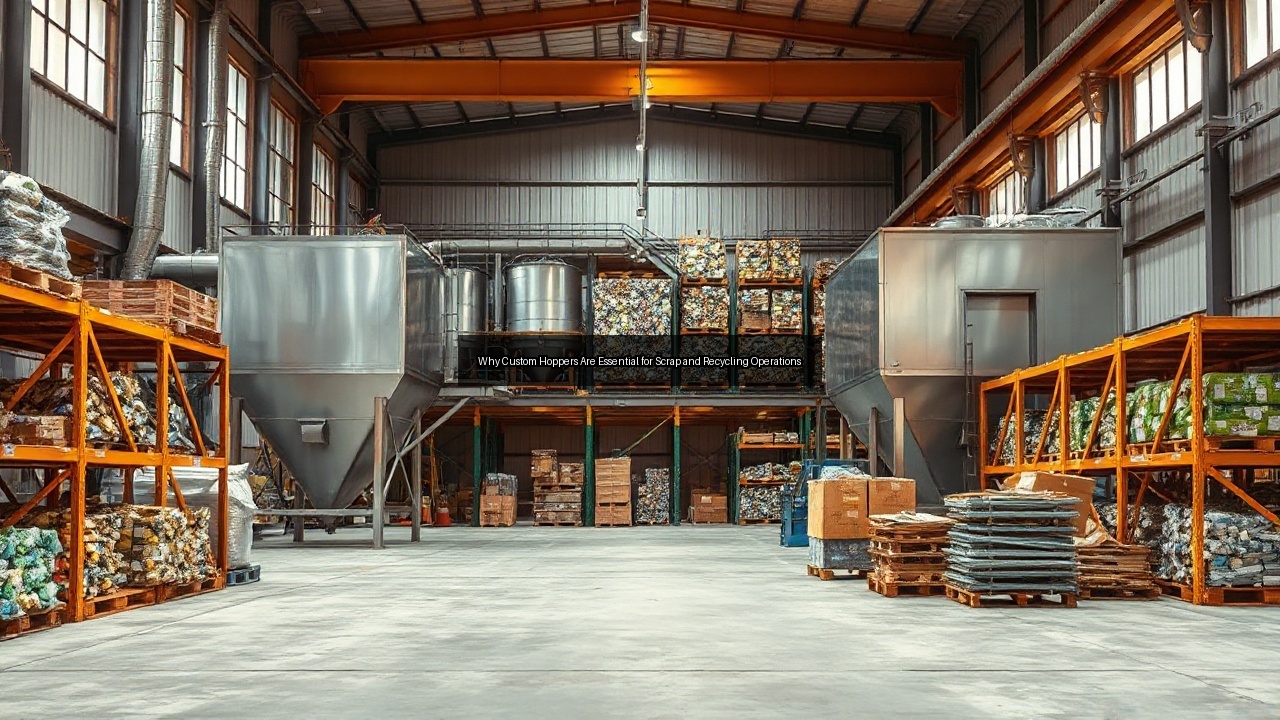
The Importance of Custom Hoppers in Scrap and Recycling Operations
Understanding the Role of Custom Process Hoppers
Custom process hoppers play a pivotal role in the efficiency and effectiveness of scrap and recycling operations. These specialized containers serve as storage and transfer units for various materials, such as metals, plastics, and concrete aggregates. Their design allows for the streamlined movement of recyclables through the production process, minimizing delays and ensuring that materials flow smoothly from one stage to the next. In environments where bulk materials are handled regularly, hoppers facilitate the quick and organized management of resources, leading to improved operational workflows.
Benefits of Custom Hoppers Over Standard Models
Custom hoppers offer distinct advantages compared to standard models, primarily due to their tailored design. Manufacturers can specify dimensions, shapes, and materials that align perfectly with their unique operational needs. For instance, a recycling facility focusing on metal scrap may require hoppers made from stainless steel for durability and corrosion resistance, while another operation might prioritize lightweight sheet metal for easy mobility. Custom hoppers not only optimize space but also enhance safety by reducing the risk of spillage and contamination, which can occur with ill-fitting standard models. Ultimately, these benefits translate to increased productivity and reduced operational costs over time.
How Custom Hoppers Enhance Productivity in Recycling
Custom hoppers significantly boost productivity in recycling operations. Their tailored dimensions and designs allow for efficient loading and unloading of materials, minimizing downtime. By integrating custom hoppers with conveyor systems, facilities can automate the transfer of recyclables, making the entire process faster and more efficient. The addition of features such as gates and guardrails ensures that materials remain secure during transit, further streamlining operations. Custom hoppers also allow for better space utilization in warehousing, ensuring that valuable floor space is maximized. This means that recycling facilities can handle larger volumes of materials without compromising on efficiency.
Key Features of Effective Custom Process Hoppers
Material Considerations: Stainless Steel vs. Sheet Metal
Choosing the right material for custom process hoppers is crucial for maximizing durability and functionality. Stainless steel is often favored in recycling settings due to its resistance to rust and corrosion, making it ideal for handling wet or contaminated materials. On the other hand, sheet metal provides a lightweight option that is easier to maneuver, especially when incorporating casters for mobility. The selection between these materials depends on the specific requirements of the operation, including the types of recyclables being processed and the environmental conditions of the workspace. Manufacturers must evaluate their needs carefully to select the best material that aligns with their operational goals.
Optimal Dimensions and Design for Bulk Materials
Effective custom hoppers must feature optimal dimensions that accommodate bulk materials seamlessly. The design should consider the flow characteristics of the materials being handled, ensuring that they can be loaded and discharged without blockages. A conical design often works best for facilitating quick material flow, while larger hoppers can hold more bulk, reducing the frequency of refills. Furthermore, customization allows operators to adjust the height and width of hoppers according to available space and the specific requirements of conveyor systems. This attention to detail in dimensions and design enhances overall productivity, allowing for smoother transitions in material handling.
Integration with Conveyor Systems and Pallet Racks
Integrating custom process hoppers with conveyor systems and pallet racks enhances the efficiency of recycling operations. Hoppers designed to work seamlessly with conveyors facilitate the automated transfer of materials, reducing the need for manual handling. This integration minimizes labor costs and decreases the risk of injury associated with heavy lifting. Furthermore, custom hoppers can be designed to fit perfectly with existing pallet racks, allowing for space-efficient storage solutions that optimize workflow. When hoppers, conveyors, and pallet racks work together harmoniously, recycling facilities can achieve higher throughput and maintain organization within their operations.
Applications of Custom Hoppers in the Recycling Industry
Handling Different Types of Recyclables
Custom hoppers serve a wide range of applications in the recycling industry, particularly in handling different types of recyclables. Whether dealing with metals, plastics, or concrete, custom hoppers can be tailored to meet the unique characteristics of each material. For instance, a facility processing aluminum cans may require hoppers with a specific shape to prevent jams and ensure rapid unloading. Similarly, those handling concrete may need more robust hoppers to withstand the weight and abrasiveness of the material. This adaptability makes custom hoppers indispensable in achieving optimal efficiency in recycling operations.
The Use of Custom Hoppers in Concrete and Scrap Processing
Custom hoppers find extensive use in concrete and scrap processing, where their durability and design are critical. In concrete recycling, hoppers must be capable of holding heavy loads while facilitating easy access for mixers and other machinery. The structural integrity of the hoppers ensures that they can withstand the harsh conditions typical in concrete processing environments. In scrap processing, custom hoppers can be designed to handle sharp metal edges and heavy weights, ensuring safe and efficient operation. By tailoring the design to the specific needs of concrete and scrap materials, manufacturers enhance the overall effectiveness of their recycling operations.
Safety Features: Guardrails and Gates for Secure Operations
Safety remains a top priority in recycling operations, and custom hoppers can incorporate essential safety features. Guardrails and gates provide added security, ensuring that materials do not spill or create hazards during loading and unloading. These features protect workers and equipment, reducing the likelihood of accidents and injuries. Additionally, well-designed hoppers can include access points for maintenance, allowing for easy cleaning and inspections without compromising safety. By prioritizing safety in the design of custom hoppers, recycling facilities can create a safer working environment while maintaining productivity.
Choosing the Right Company for Custom Hoppers
Evaluating Fabrication Capabilities
Selecting the right company for custom hoppers involves evaluating their fabrication capabilities. A reliable manufacturer should provide a portfolio showcasing their previous projects, demonstrating their expertise in creating tailored solutions. Look for companies that utilize advanced fabrication techniques and can work with various materials like stainless steel and sheet metal. The ability to handle complex designs and provide precise dimensions ensures that the final product meets the operational needs of the recycling facility. Ensuring that the manufacturer has a solid reputation in the industry can also help in making an informed decision.
Importance of Customization in Meeting Specific Needs
Customization is crucial for meeting the specific needs of recycling operations. Every facility handles different types of materials and has unique processing requirements. A one-size-fits-all approach often leads to inefficiencies and increased operational costs. Companies that offer extensive customization options allow operators to design hoppers that align with their workflows, ensuring optimal performance. This level of personalization can include adjustments in dimensions, material selection, and integration with existing equipment. By prioritizing customization, recycling facilities can significantly enhance their productivity and efficiency.
Factors to Consider: Casters and Mobility in Design
When designing custom hoppers, mobility is an important factor to consider. Incorporating casters into the design allows hoppers to be easily moved around the facility, facilitating flexible operations. This mobility is particularly beneficial in dynamic environments where material handling needs can change frequently. Casters also promote efficient use of space, enabling operators to reposition hoppers as needed without the risk of damaging the flooring or equipment. Assessing the type of casters suitable for the weight and material of the hopper is essential to ensure durability and functionality. By considering mobility during the design phase, recycling facilities can enhance their operational versatility and efficiency.
See Also
- Designing Custom Process Hoppers with Flexibility in Mind
- Navigating the Dimensions of Custom Process Hoppers for Every Industry Need
- The Art of Custom Process Hoppers for Enhanced Bulk Material Handling
- Exploring the Versatility of Custom Hoppers for Various Industries
- How Custom Process Hoppers Can Revolutionize Your Manufacturing Workflow