Exploring the Benefits of Stainless Steel Custom Hoppers in Harsh Environments
Understanding Custom Process Hoppers
What Are Custom Process Hoppers?
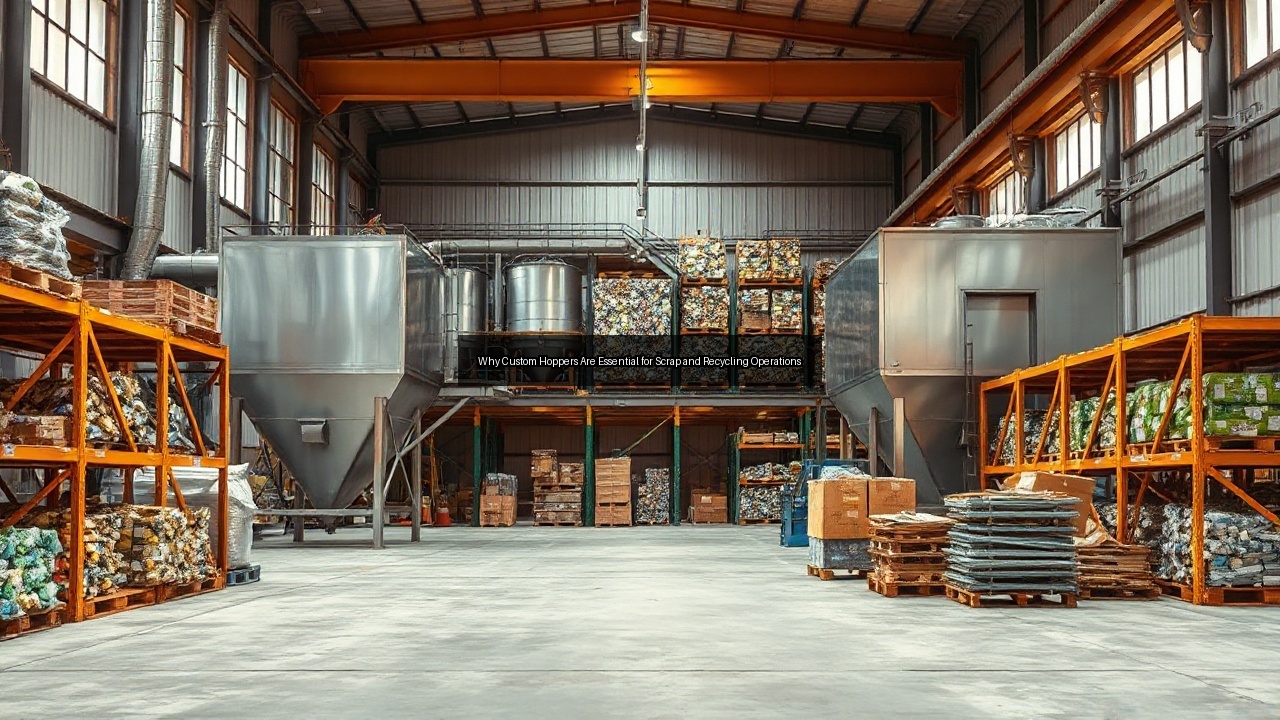
Custom process hoppers serve as essential containers that manage the flow of bulk materials in demanding industrial settings. Manufacturers design these units from stainless steel to handle everything from recyclables to scrap metal without compromising structural integrity. Companies tailor dimensions and cone shapes to match specific workflow needs, ensuring materials move efficiently through gates or onto conveyor systems. Unlike standard silos, custom process hoppers integrate directly with existing equipment such as pallet racks in warehousing environments. This flexibility supports operations that process concrete aggregates or other abrasive substances daily. Fabricators often add mobility features like casters so teams can reposition units quickly during production shifts. The result improves overall productivity by reducing downtime and preventing material spills that waste resources.
Key Features of Stainless Steel Hoppers
Stainless steel hoppers stand out because they combine strength with corrosion resistance that ordinary metal lacks. Fabricators form these hoppers from heavy-gauge sheet metal that withstands repeated impacts from bulk materials. Key additions include reinforced gates that control discharge rates and smooth interior surfaces that prevent buildup. Many designs incorporate cone bottoms to promote complete emptying without manual intervention. When paired with guardrails, the hoppers enhance safety around high-traffic areas in manufacturing plants. Companies also specify custom process hoppers with integrated sensors that monitor fill levels and trigger alerts before overflows occur. These features extend service life in environments exposed to moisture, chemicals, or temperature swings while keeping maintenance costs low.
Benefits of Stainless Steel in Harsh Environments
Corrosion Resistance and Longevity
Stainless steel delivers unmatched corrosion resistance that protects custom process hoppers from rust in wet or chemical-laden settings. Recycling facilities rely on this property when handling scrap and recyclables that carry moisture or contaminants. The material resists pitting and degradation even after years of exposure to salt, acids, or industrial cleaners. Fabricators apply additional passivation treatments to further extend service intervals. As a result, operations avoid frequent replacements that disrupt schedules and increase expenses. Stainless steel hoppers maintain their structural strength long after mild steel alternatives fail, delivering consistent performance across multiple shifts. This longevity supports sustainable manufacturing practices by reducing waste from discarded equipment.
Temperature Tolerance
Custom process hoppers made from stainless steel handle extreme temperature ranges without warping or losing mechanical properties. High-heat processes in concrete production or metal recycling demand hoppers that remain stable above 1000 degrees Fahrenheit. Conversely, cold storage warehousing requires units that resist brittleness at subzero levels. The alloy’s low thermal expansion prevents cracks at weld seams during rapid temperature changes. Engineers specify specific grades such as 316 stainless for applications involving both heat and corrosive agents. This tolerance allows seamless integration with conveyor systems that move materials between heated and cooled zones without equipment failure. Productivity rises because teams avoid shutdowns caused by thermal damage.
Ease of Cleaning and Maintenance
Stainless steel surfaces on custom process hoppers clean quickly and thoroughly, which matters in industries that process food-grade or hazardous bulk materials. Smooth finishes prevent residue from clinging, so operators complete sanitation cycles faster than with porous metals. Maintenance crews simply wipe or pressure-wash the hoppers without special solvents. Regular inspections focus on gates and casters rather than fighting corrosion. In recycling plants, this ease of cleaning reduces cross-contamination between different scrap streams. Companies schedule less frequent deep maintenance, freeing labor for core production tasks. The combination of durability and cleanability keeps custom process hoppers operational longer while meeting strict hygiene regulations.
Applications of Stainless Steel Custom Hoppers
Use in Recycling Facilities
Recycling facilities depend on stainless steel custom process hoppers to sort and stage recyclables before further processing. Operators load mixed scrap into cone-shaped hoppers that direct materials onto conveyor belts for separation. The corrosion-resistant construction withstands exposure to rain, oils, and dirt that accumulate on outdoor sorting lines. Custom dimensions allow hoppers to fit tight spaces between pallet racks and existing silos. Guardrails around elevated units protect workers during high-volume unloading. These hoppers improve throughput by minimizing jams and spills that slow recycling rates. Facilities report higher recovery yields because stainless steel surfaces release materials cleanly without sticking.
Integration with Conveyor Systems
Custom process hoppers connect directly to conveyor systems to create continuous material flow in manufacturing plants. Engineers position the hoppers above conveyor lines so bulk materials discharge at controlled rates through adjustable gates. Stainless steel construction prevents abrasion damage from sharp scrap or concrete chunks traveling at speed. Casters enable quick repositioning when production layouts change. Integrated sensors feed data to the conveyor controls, optimizing speed and reducing overload risks. This setup boosts productivity by eliminating manual transfers that consume time and labor. Warehousing operations use the same integration to move goods from receiving docks to storage zones without bottlenecks.
Storage Solutions in Warehousing
Warehousing operations use stainless steel custom process hoppers for organized bulk material storage that maximizes floor space. Facilities mount hoppers on elevated frames above pallet racks, freeing ground level for forklift traffic. The hoppers hold everything from metal scrap to construction aggregates until needed for shipping or production. Custom cone designs ensure complete discharge without leftover residue that creates inventory errors. Casters allow staff to roll units to different loading zones as demand shifts. Guardrails and safety platforms surround the installations to meet OSHA requirements. This storage approach improves inventory accuracy and reduces the risk of material degradation during long-term holding periods.
Design Considerations for Custom Hoppers
Dimensions and Capacity Planning
Proper dimensions determine how effectively custom process hoppers fit into existing layouts and handle required volumes. Engineers calculate capacity based on daily throughput of bulk materials such as recyclables or concrete mixes. Height restrictions in warehousing buildings often dictate hopper shape, leading to wider bases or lower cones. Accurate planning prevents overflow that could damage nearby conveyor systems or pallet racks. Companies provide detailed site measurements so fabricators create units that align perfectly with downstream equipment. This precision reduces installation time and avoids costly modifications after delivery. Thoughtful capacity planning also supports future expansion without replacing the entire hopper assembly.
Material Thickness and Fabrication Techniques
Material thickness directly affects the durability of stainless steel custom process hoppers in abrasive environments. Fabricators select gauge based on the weight and sharpness of bulk materials the hoppers will contain. Welding techniques such as TIG produce smooth seams that resist cracking under vibration from conveyor operation. Sheet metal forming creates precise cone angles that promote flow without bridging. Additional stiffeners reinforce large hoppers used in recycling plants where heavy loads accumulate. These fabrication choices extend service life while maintaining the corrosion resistance that defines stainless steel performance. Companies review weld maps and material certifications before approving final designs.
Incorporating Safety Features like Guardrails
Guardrails form a critical safety component around custom process hoppers that operators access from elevated platforms. Stainless steel construction allows guardrails to match the hopper material, maintaining a uniform corrosion-resistant system. Engineers position railings at standard heights with toe boards to prevent tools or debris from falling onto conveyor lines below. Access gates include self-closing mechanisms that keep workers protected during routine inspections. In high-traffic manufacturing areas, reflective tape and warning signs supplement the physical barriers. These integrated safety features reduce accident rates and help facilities comply with regulatory standards while preserving workflow efficiency.
Maximizing Productivity with Custom Hoppers
Optimizing Workflow with Efficient Hoppers
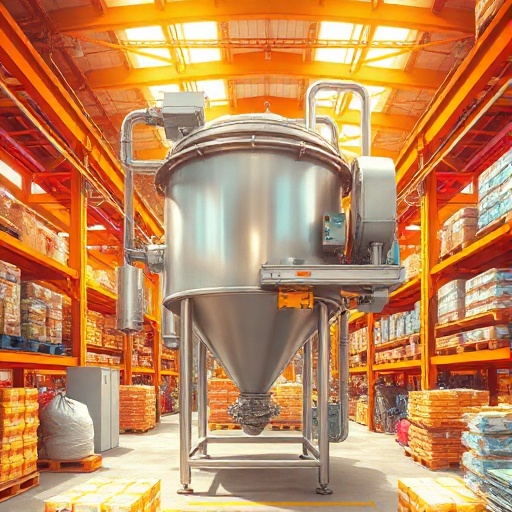
Efficient custom process hoppers streamline material movement and cut idle time across manufacturing operations. Cone-shaped bottoms and smooth stainless steel interiors ensure bulk materials flow freely onto conveyor systems without manual intervention. Adjustable gates let operators fine-tune discharge rates to match downstream processing speeds. Facilities that replace generic hoppers with custom designs often see immediate productivity gains through reduced jams and faster changeovers. Integration with existing silos and pallet racks creates a cohesive storage and transfer network. Continuous flow supports higher output without adding shifts or equipment. Data from level sensors further refines scheduling so teams anticipate replenishment needs before shortages occur.
Utilizing Casters for Mobility
Casters transform stationary custom process hoppers into mobile assets that adapt to changing production demands. Heavy-duty stainless steel wheels support full loads of bulk materials while rolling smoothly across warehouse floors. Locking mechanisms secure units during discharge onto conveyor systems or into recycling streams. Mobile hoppers allow companies to reconfigure layouts quickly when introducing new product lines or seasonal scrap volumes. Maintenance teams move units to cleaning stations without cranes or forklifts. This mobility reduces the need for duplicate fixed installations and improves space utilization in crowded facilities. Productivity rises because workers spend less time transporting materials manually between stations.
Tailoring Designs for Specific Bulk Materials
Custom process hoppers perform best when engineers tailor every detail to the characteristics of the bulk materials involved. Abrasive concrete mixes require thicker sheet metal and hardened gates, while lightweight recyclables benefit from steeper cone angles that prevent bridging. Stainless steel grades resist chemical attack from certain scrap types or industrial additives. Fabricators add liners or coatings when materials tend to stick or generate static. These tailored features ensure reliable flow through the entire system, from initial loading to final discharge. Companies that invest in material-specific designs report fewer stoppages and higher overall equipment effectiveness across their manufacturing and warehousing operations.