From Concept to Completion The Skid Fabrication Process Explained
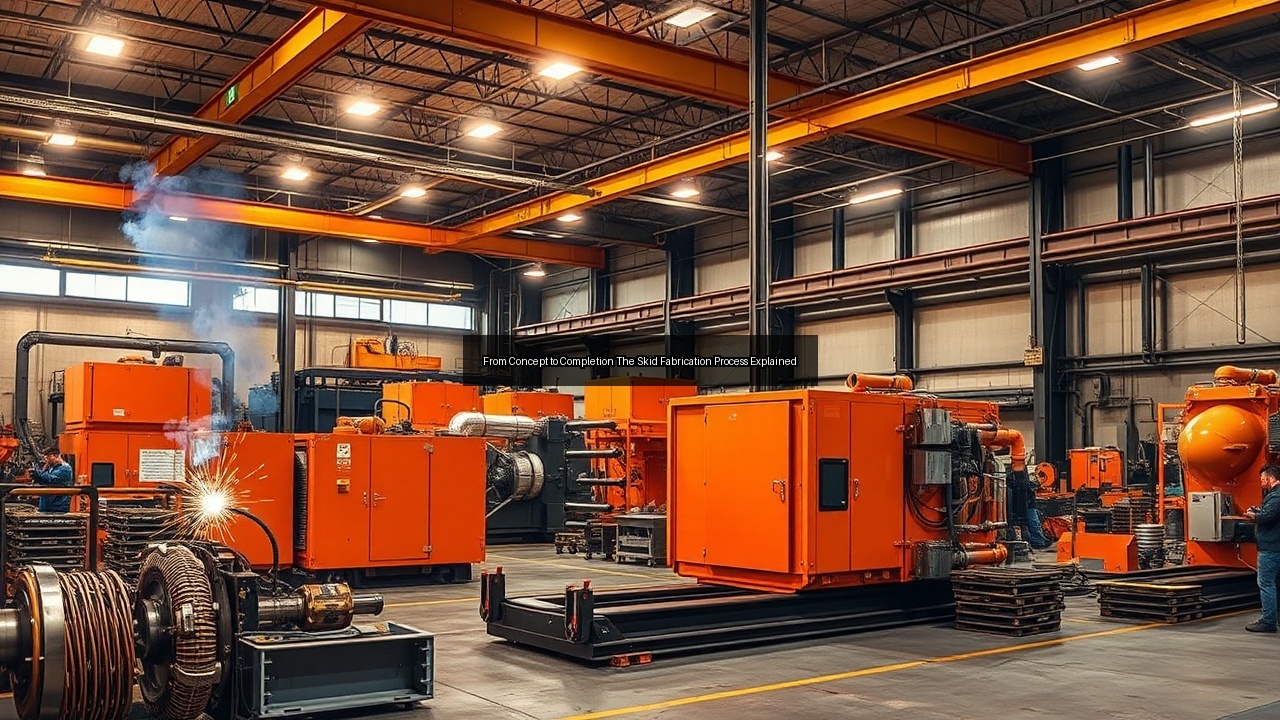
Understanding Skid Fabrication
What are Modular Process Skids?
Modular process skids serve as compact, self-contained units designed for various industrial applications, particularly in the oil and gas industry. These skids integrate multiple components and systems, streamlining processes that would otherwise require extensive construction and installation. A modular skid allows for quicker deployment and easier transportation, making it a favored option in remote locations or for temporary setups. Each modular skid consists of essential equipment such as pumps, valves, and instrumentation, all pre-installed on a sturdy framework. This configuration not only accelerates the setup time but also enhances efficiency by minimizing on-site construction needs. As operations evolve, modular skids can be reconfigured or expanded, making them incredibly versatile for dynamic industrial environments.
The Importance of Skid Fabrication in the Oil and Gas Industry
Skid fabrication plays a pivotal role in the oil and gas industry, where efficiency and safety are paramount. The ability to create modular process systems that meet specific operational requirements is crucial for companies looking to maximize productivity and minimize downtime. Skids facilitate the assembly of complex systems in a controlled environment, ensuring that all components function seamlessly together. Moreover, these fabricated units can withstand harsh conditions often encountered in oil and gas extraction, such as extreme temperatures and corrosive substances. The consistent demand for oil and gas drives the need for reliable skid fabrication services, making it an essential aspect of the industry’s infrastructure. Additionally, custom skid fabrication allows companies to tailor solutions that align precisely with their operational goals, further enhancing efficiency and safety.
The Skid Fabrication Process
Designing Modular Process Systems
The design phase of skid fabrication is critical in ensuring that the final product meets operational requirements. Designers consider modular skid fabrication several factors, including the intended use, environmental conditions, and regulatory standards. Advanced design technologies, such as Computer-Aided Design (CAD), enable engineers to create detailed 3D models of the modular process systems before fabrication begins. This planning phase allows for extensive testing and simulation, ensuring the design can withstand real-world conditions and operational stresses. Collaboration between engineers and clients during this stage guarantees that the final product aligns with the specific needs of the project. Effective design not only optimizes functionality but also focuses on the ease of maintenance, further extending the skid's operational lifespan.
Welding Techniques in Skid Fabrication
Welding represents a crucial aspect of the skid fabrication process, as it ensures the structural integrity of the modular skid. Skilled welders utilize various techniques, including MIG, TIG, and stick welding, depending on the materials and the specific requirements of the project. Each method offers unique advantages; for instance, MIG welding provides speed and efficiency, while TIG welding delivers superior precision for intricate components. The choice of welding technique impacts the overall durability and performance of the skid. Proper training and certification of welders are essential to adhere to industry standards and safety regulations. Additionally, post-welding inspections and tests help ensure that the welded joints can withstand the rigors of operation in demanding environments.
Machining and Material Selection: Alloys and Beyond
Material selection is a fundamental component of the skid fabrication process. The choice of alloys and metals impacts not only the weight and strength of the modular skid but also its resistance to corrosion and wear. Common materials used in skid fabrication include carbon steel, stainless steel, and various alloys tailored for specific applications. Machining processes, such as cutting, drilling, and milling, enable fabricators to achieve precise dimensions and finishes necessary for optimal performance. Advanced machining technologies, such as CNC machining, enhance accuracy and repeatability, ensuring consistency across multiple skids. This attention to detail in both material selection and machining significantly contributes to the longevity and reliability of modular skids in the oil and gas sector.
Quality Control and Management in Skid Fabrication
Implementing Quality Assurance Protocols
Quality assurance is vital throughout the skid fabrication process. Implementing rigorous quality control protocols ensures that every aspect, from design to final assembly, meets established standards. Manufacturers often incorporate various inspection methods, including visual inspections, non-destructive testing, and performance testing, to identify potential flaws or weaknesses in the fabrication. Detailed documentation of each step in the process helps maintain transparency and accountability, allowing for better management of quality across projects. By adhering to quality assurance protocols, fabricators can guarantee that their modular process systems are safe, reliable, and ready for the demanding conditions of the oil and gas industry.
Safety Standards and Risk Management in Fabrication
Safety standards play an integral role in skid fabrication. The industry adheres to stringent guidelines established by organizations such as OSHA and API to mitigate risks associated with fabrication and installation. These standards encompass not only the safety of the workers but also the integrity of the equipment being fabricated. Effective risk management strategies involve regular training for workers, implementation of safety protocols, and continuous monitoring of the work environment. By prioritizing safety, companies can reduce the likelihood of accidents and ensure that their skid fabrication processes do not compromise the well-being of their employees or the quality of the final product.
Cost Considerations for Skid Fabrication Services
Cost considerations play a significant role in deciding on skid fabrication services. Various factors influence the overall expense, including material choices, complexity of design, and the specific technologies employed during fabrication. Custom skid fabrication solutions may incur higher initial costs but often lead to long-term savings through increased efficiency and reduced downtime. Companies must weigh these factors against their operational budgets and project timelines. Transparent pricing from skid fabrication companies helps clients understand the cost implications of different design choices. Ultimately, investing in high-quality skid fabrication pays off by enhancing the reliability and performance of modular process systems.
Choosing the Right Skid Fabrication Company
Evaluating Manufacturers and Fabricators
Choosing the right skid fabrication company involves a thorough evaluation of potential manufacturers and fabricators. Key factors to consider include the company’s experience in the industry, portfolio of past projects, and client testimonials. A reputable fabricator demonstrates a track record of successful skid fabrication, particularly in the oil and gas sector. Visiting fabrication facilities or reviewing certifications can also provide insight into the quality of work and adherence to safety standards. Companies that prioritize innovation and employ the latest technologies in their fabrication processes often deliver superior products that meet evolving industry demands.
Licensing and Certifications for Skid Fabrication Shops
Licensing and certifications serve as indicators of a skid fabrication shop’s credibility and expertise. Companies must possess the necessary permits to operate in their respective regions, ensuring compliance with local regulations. Additionally, certifications from recognized organizations, such as ASME or ISO, validate a company’s commitment to quality management and safety standards. These credentials provide clients with confidence in the manufacturer’s ability to deliver reliable and safe modular process skids. When evaluating potential fabrication partners, clients should prioritize those that demonstrate adherence to industry standards through proper licensing and certifications.
Custom Skid Fabrication Solutions
Custom skid fabrication solutions allow companies to tailor modular process systems to their specific operational needs. Fabricators work closely with clients to understand their requirements and design skids that optimize performance while adhering to safety and quality standards. Customization can include modifications in size, layout, and integrated technologies, ensuring that the skid aligns perfectly with the intended application. Engaging in a collaborative design process fosters innovation and ensures that the final product meets the unique challenges faced by businesses in the oil and gas sector. By investing in custom solutions, companies enhance their operational efficiency and ensure long-term success.
See Also
- Sustainability Practices in Skid Fabrication and Manufacturing
- Quality Control in Skid Fabrication A Deep Dive into Best Practices
- Licensing and Compliance in Modular Skid Fabrication
- Top Considerations When Choosing a Skid Fabrication Company
- Innovative Modular Skids Transforming the Oil and Gas Industry